- Hardwood
Can Engineered Hardwood Floors Be Refinished? What Billings Homeowners Need to Know Before They Buy
August 5, 2026
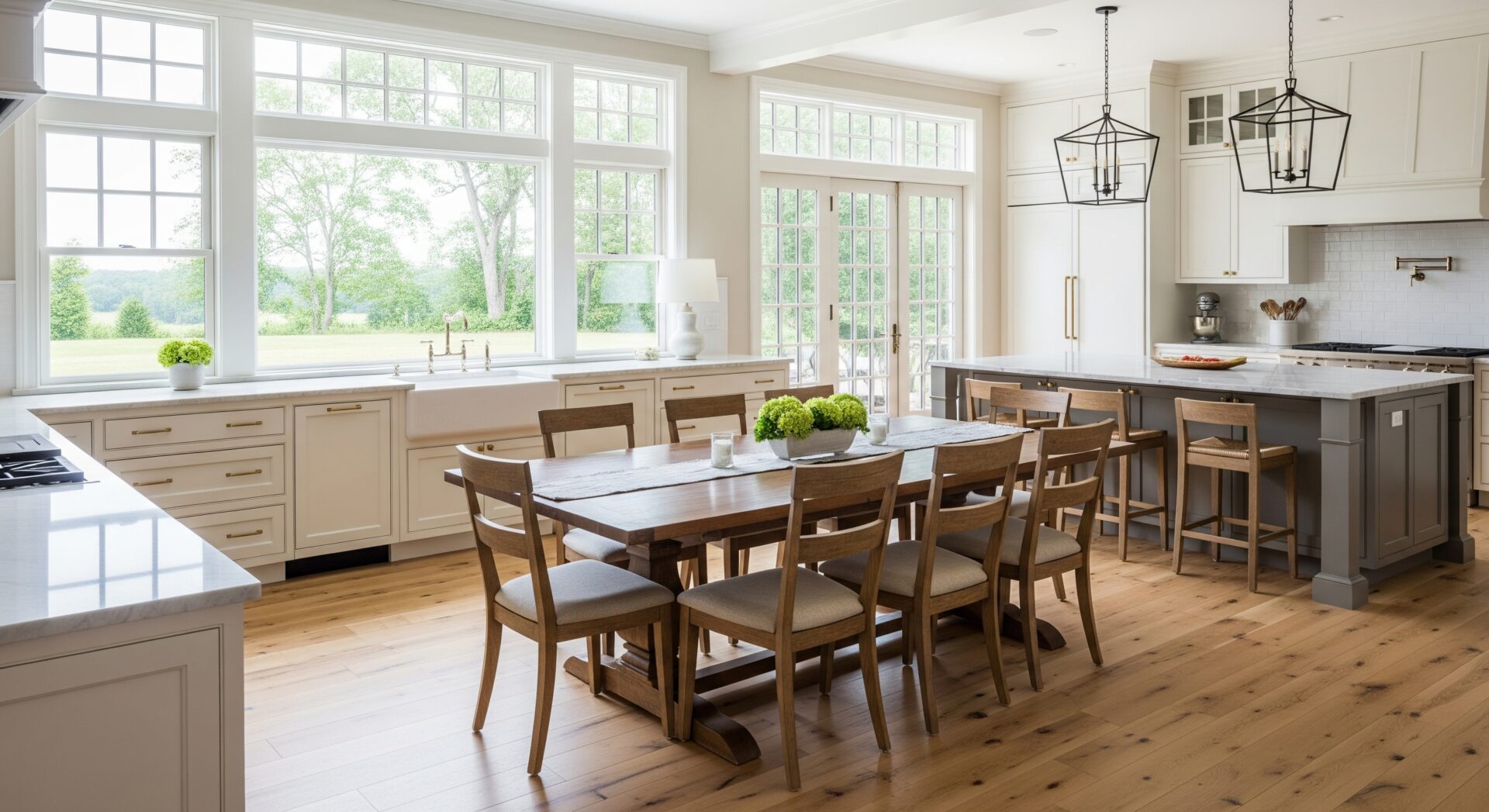
Yes — but with a condition most salespeople skip over.
Whether engineered hardwood floors can be refinished is one of the most important pre-purchase questions a Billings homeowner can ask — and the answer depends on a single specification most product listings bury: wear layer thickness. That number determines whether your floor can be renewed in fifteen years or whether it goes straight to the dumpster when the finish wears through. In Billings, where seasonal humidity swings put engineered hardwood through more stress than it faces in most American markets, that distinction matters more than the product literature suggests.
This is the conversation the Carpet Barn team has before recommending engineered hardwood to any Billings homeowner. It is worth having before you buy. Call (406) 656-2824 or stop by 2032 Grand Ave — the consultation is free and takes about 20 minutes.
What Refinishing Actually Means for Engineered Hardwood
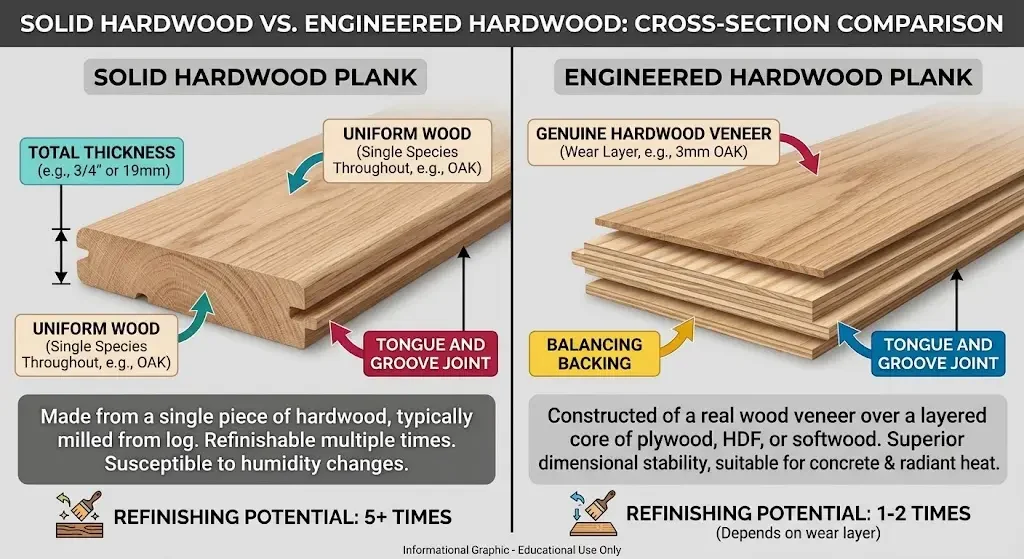
Refinishing a hardwood floor means sanding the surface down to bare wood, then applying a new stain and protective finish coat. For solid hardwood — a single piece of wood from top to bottom — this can typically be done five to eight times over the life of the floor, depending on plank thickness. A 3/4-inch solid plank generally supports the full range; thinner solid profiles fewer.
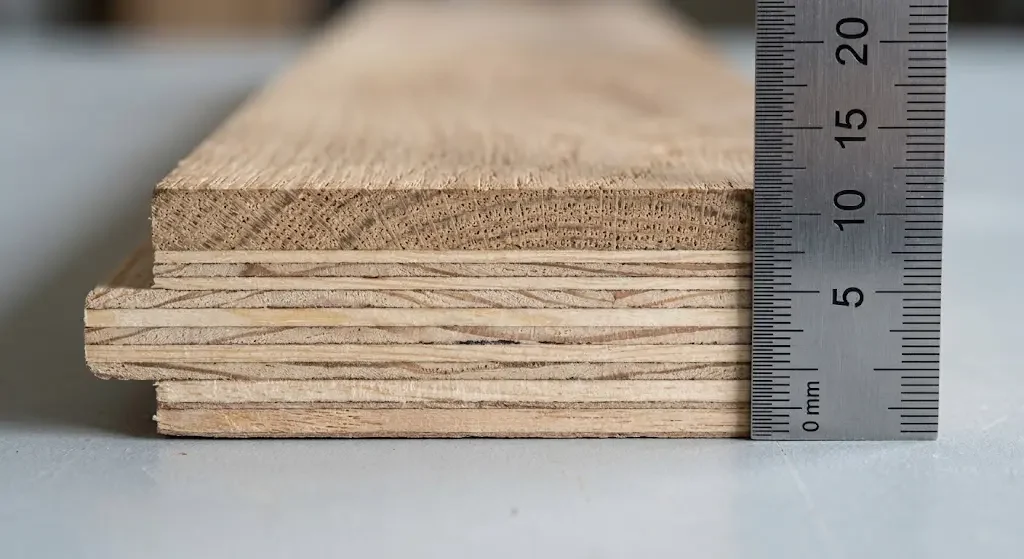
Engineered hardwood is different. The top veneer is genuine hardwood, bonded over a plywood or high-density fiberboard core. The veneer is what gets sanded. Sand too deep and you reach the core — at that point, the floor cannot be refinished and must be replaced.
The practical question is: how much can you sand before hitting that line?
The answer depends entirely on wear layer thickness — the depth of the hardwood veneer above the core. Per NWFA’s Hardwood Flooring Installation Guidelines, the standard thresholds work like this:
Under 2mm: one very light screen-and-recoat pass is possible with dustless equipment; full sanding removes too much material and risks hitting the core
2mm wear layer: NWFA’s minimum threshold for a sand-and-finish application; one careful full refinish is achievable
3mm or more: two or more full refinishing cycles are typically achievable, which is the range most Billings homeowners should be targeting
4mm or more: found in premium engineered products; can support three or more refinishing cycles, comparable to a thinner-profile solid hardwood floor
Most mid-market engineered hardwood has a wear layer between 1.5mm and 3mm. The number matters, it should be on the product specification sheet, and if you cannot find it, ask before you buy.
Why Billings’ Climate Accelerates Wear Layer Stress
In a stable climate — consistent humidity year-round, minimal seasonal swings — engineered hardwood wear layers hold up predictably. Billings is not a stable climate.
Indoor relative humidity inside a Billings home swings from roughly 37-40% in summer to meaningfully higher during heating season as furnaces run without supplemental humidification. That annual cycle causes the engineered plank to expand and contract slightly, stressing the finish layer with each pass. Over ten or fifteen years, that cumulative stress accelerates surface wear — particularly in high-traffic hallways and kitchen entries.
The practical result: a 2mm wear layer in a Billings home may reach the refinishing threshold faster than the same product in a more temperate climate. This is why Carpet Barn recommends 3mm or more for any main living area in a Billings home. Browse the engineered hardwood collection at cbarn.com and filter by wear layer spec before your visit.
Screen-and-Recoat vs. Full Sand-and-Refinish: Know the Difference
Not all refinishing removes the same amount of material — and the distinction matters when you’re evaluating engineered hardwood options.
Screen-and-recoat is a surface refresh. The existing finish is lightly abraded to create adhesion, and a new topcoat is applied over it. No wood is removed from the wear layer. This restores sheen and provides fresh surface protection, but it does not address scratches, gouges, or staining that has penetrated the finish. It is appropriate for floors that are dulling but not yet damaged.
Full sand-and-refinish removes the finish entirely, sands the wear layer to bare wood, and starts fresh with stain and finish. This addresses surface damage and uneven color. It is what most homeowners mean when they ask whether engineered hardwood can be refinished — and it is the cycle that consumes wear layer material.
A third option increasingly offered in Billings is dustless refinishing — vacuum-equipped equipment that captures sanding dust at the source. It is cleaner for household occupants and allows more controlled material removal per pass, which is an advantage when working with thinner wear layers.
When Solid Hardwood Is the Better Choice for Billings Homes
Engineered hardwood is not always the right answer for Billings homeowners who want long-term refinishing potential. There are situations where solid hardwood makes more sense — and the Carpet Barn team will tell you that directly.
Solid hardwood is the right call when the subfloor is above-grade wood with consistently low moisture readings, when you’re installing in a main living area where the floor will see 30+ years of use and you want maximum refinishing cycles, and when the home is heated and humidified consistently through Montana winters.
Solid hardwood is not appropriate for below-grade applications, over concrete slabs without exceptional moisture control, or in rooms with significant moisture exposure. In those environments, the product fails regardless of refinishing potential.
If you’re still working through the engineered hardwood vs. LVP question before getting to the refinishing conversation, the Carpet Barn guide to engineered hardwood vs. LVP in Billings covers that comparison in full. For most Billings homes — particularly those with crawl spaces, partial basements, or mixed subfloor types — engineered hardwood with a 3mm or thicker wear layer is the practical answer.
Four Questions to Ask Before You Buy Engineered Hardwood in Billings
When you’re at the showroom comparing options, these four questions determine whether the product will perform the way you expect it to in twenty years.
1. What is the wear layer thickness on this specific product?
Get the number in millimeters. Do not accept ‘thick’ or ‘refinishable’ as an answer — the spec sheet will have it. If the salesperson cannot produce it, ask for it in writing before purchasing.
2. Is this product rated for my subfloor type and moisture conditions?
Ask the Carpet Barn team to cross-reference the product’s moisture tolerance against your specific subfloor and the humidity conditions in your home. Products with tight moisture tolerances need a well-managed indoor environment to perform as specified.
3. What finish is on this product — aluminum oxide or UV oil?
Aluminum oxide finishes are harder and more scratch-resistant but cannot be spot-repaired easily — the entire floor must be refinished if you want a uniform surface. UV oil finishes penetrate the wood fiber rather than forming a surface film, which is why individual boards can be spot-treated without refinishing the entire floor. That is a significant advantage when a single plank sustains localized damage. See the hardwood care and maintenance guide at cbarn.com for finish-specific upkeep recommendations.
4. What does the warranty say about refinishing eligibility?
Many engineered hardwood warranties include a refinishing provision but exclude it for below-grade installations, concrete subfloors without specific moisture mitigation, or non-humidified spaces. Read the conditions before you buy — not after the floor is down.
“Tim and Brian are exceptional pros. Very articulate in their practice, kind and personable. They worked out everything that was shown to them. High five to both of them!” — Kevin B., Billings homeowner
The Long-Term Math on Wear Layer Investment
Here is the real reason the wear layer question matters financially.
A properly specified engineered hardwood floor with a 3mm or thicker wear layer, installed over a solid subfloor in a well-managed Billings home, can realistically last 30-40 years with one or two refinishing cycles. That is comparable to solid hardwood in the same conditions — and it provides the installation flexibility that solid wood can’t always match in a mixed-subfloor Montana home.
A 1.5mm wear layer floor in the same home reaches the end of its refinishing potential after the first cycle — typically 10-15 years in. At that point, the floor shows wear, cannot be renewed, and the replacement conversation starts much earlier than the homeowner expected.
The difference between those two outcomes is often a few dollars per square foot at purchase — the cost of specifying the right wear layer for the job. That trade-off is worth understanding before you sign anything.
“Work complete timely expertly and just as promised. Would highly recommend.” — Dave D., Billings homeowner
“The wear layer conversation is the one we always have before talking about species, color, or finish. Get that spec right first and everything else is a preference decision.” — World Famous Carpet Barn team, Billings, MT
Browse the full engineered hardwood collection at cbarn.com, or stop by the showroom at 2032 Grand Ave. The Carpet Barn team can pull the wear layer specification for any product in stock and walk you through the trade-offs before you commit. Free in-home consultations available — call (406) 656-2824.
Frequently Asked Questions
Can engineered hardwood floors be refinished?
Yes, but only if the wear layer is thick enough to survive sanding. A 2mm wear layer — the NWFA minimum for sand-and-finish applications — allows one careful full refinish. At 3mm or more, two or more full refinishing cycles are typically achievable. Below 2mm, only a light screen-and-recoat is practical.
How many times can engineered hardwood be refinished?
It depends entirely on wear layer thickness. A 2mm layer typically supports one full refinish. A 3mm layer supports two. A 4mm layer can support three or more cycles, comparable to a thinner-profile solid hardwood floor. Each refinishing pass removes some wear layer material, so the total number of cycles is finite regardless of how carefully the work is done.
What is the difference between screen-and-recoat and full refinishing for engineered hardwood?
Screen-and-recoat lightly abrades the existing finish and applies a new topcoat without removing wood from the wear layer — it restores sheen but doesn’t address deep scratches or staining. Full sand-and-refinish removes the finish entirely and sands the wear layer to bare wood, addressing surface damage but consuming some wear layer material in the process.
How does Billings’ climate affect engineered hardwood wear?
Billings’ seasonal humidity swing — from roughly 37-40% in summer to higher indoor RH during heating season — causes the engineered plank to expand and contract annually. That cumulative stress accelerates finish wear, particularly in high-traffic areas. Carpet Barn recommends a minimum 3mm wear layer for main living areas in Billings homes where long-term refinishing is part of the plan.
Is solid hardwood better than engineered hardwood for Billings homes?
Solid hardwood offers more refinishing cycles and is the right choice for above-grade wood subfloors in consistently humidified homes. Engineered hardwood is more appropriate for homes with concrete subfloors, crawl spaces, or mixed subfloor types. For most Billings homes, engineered hardwood with a 3mm or thicker wear layer hits the right balance.
What is the difference between aluminum oxide and UV oil finishes on engineered hardwood?
Aluminum oxide finishes form a hard surface film that is highly scratch-resistant but requires full-floor refinishing when a single plank needs work. UV oil finishes penetrate the wood fiber and allow individual boards to be spot-treated without refinishing the entire floor — a significant advantage when localized damage occurs. Each has appropriate use cases depending on traffic patterns and maintenance preferences.