- Area Rugs
Area Rugs in Billings: How to Choose the Right Size, Material, and Rug Pad for Montana Homes
September 9, 2026
The area rug is the most underestimated decision in a room refresh. Most homeowners spend months choosing the floor and about fifteen minutes choosing the rug that goes on top of it — then spend years looking at a rug that’s the wrong size, slides across the floor every time someone walks past, or leaves marks on a freshly finished hardwood surface that weren’t there before.
In Billings homes, there’s a Montana layer to this decision that national home decor guides skip: wool rugs behave differently in 15% winter humidity than they do in most manufacturer test environments. Static electricity from low-humidity heating season affects synthetic rugs in ways that aren’t obvious at purchase. And the wrong rug pad on a new hardwood or LVP floor leaves chemical marks that are exactly as permanent as they sound.
This area rug buying guide covers the three decisions that matter before you buy — size, fiber, and pad — so the rug works with your Montana home instead of against it. Stop by the showroom at 2032 Grand Ave or call (406) 656-2824 to work through the decision with the Carpet Barn team.
The Sizing Rule Most Billings Homeowners Get Wrong
The single most common area rug mistake is buying one that’s too small.
A rug that is too small for the room looks like a postage stamp in the center of the floor. It fails to anchor the furniture grouping it was meant to organize, and it makes the room feel smaller rather than larger. The problem compounds in the open floor plans common in current Billings new construction, where the living and dining areas flow together and a small rug reads completely out of scale.
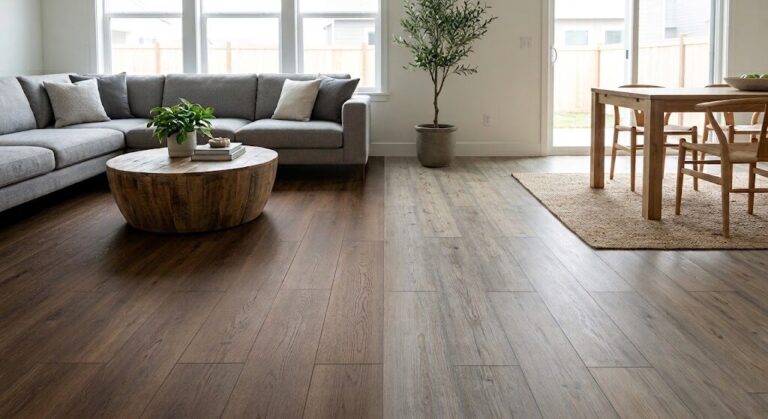
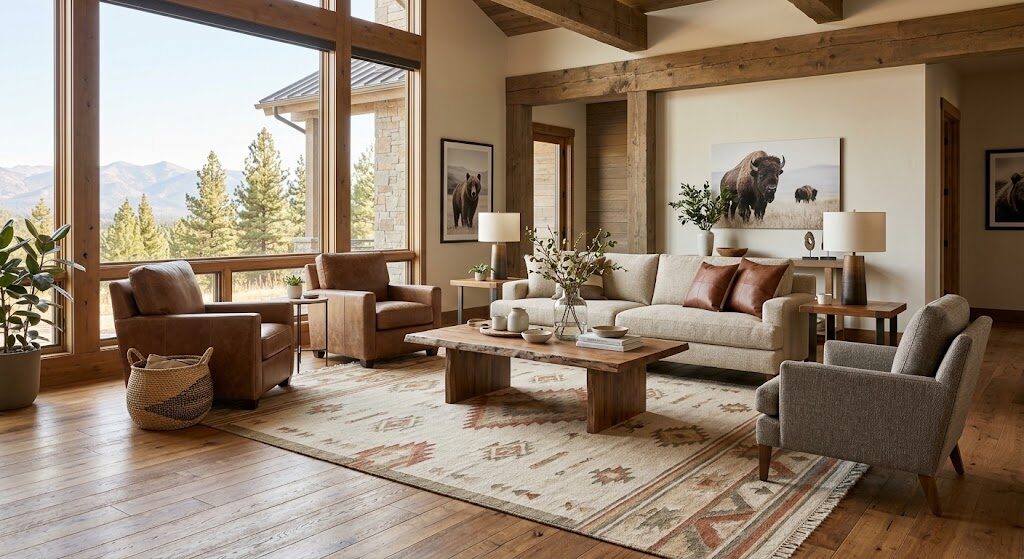
Living room: The front legs of all major seating pieces — sofas and chairs — should sit on the rug. In larger rooms, all legs of all furniture can sit on the rug. What should never happen: all furniture floating completely off the rug with just a coffee table in the center.
Dining room: All dining chairs should remain on the rug when pulled out from the table. A minimum of 24 inches beyond the table on each side is the standard. For a standard 36-42 inch wide dining table, that means the rug needs to be roughly 7-8 feet wide to accommodate both table width and chair pull-out.
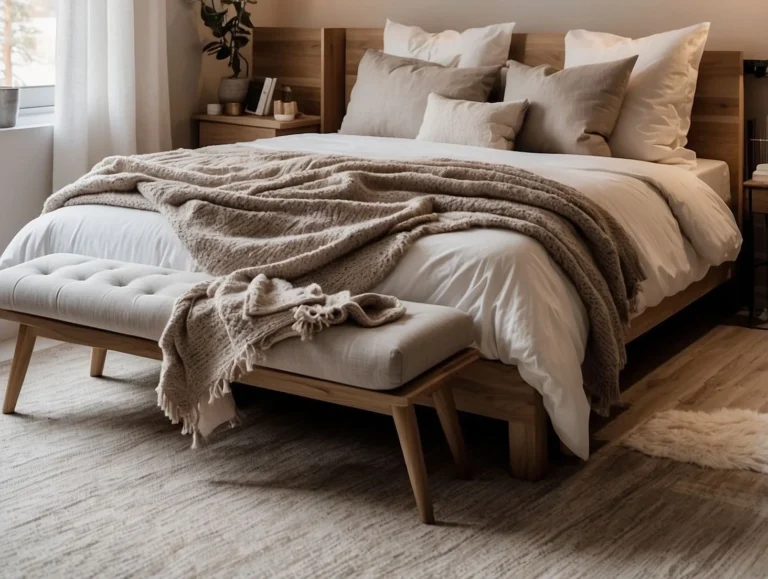
Bedroom: The rug should extend at least 18-24 inches beyond the sides and foot of the bed. When someone steps out of bed in the morning, their feet land on the rug. In a king bedroom, a 9×12 is typically the right starting point.
Entryway: Fit the space, not a standard size. Many Billings entryways are narrow and benefit from a runner rather than a rectangular rug.
The most reliable way to verify sizing before purchase: tape out the rug dimensions on the floor with painter’s tape. It takes ten minutes and eliminates the most expensive rug mistake before you make it.
Custom Rug Binding: The Option Most Billings Homeowners Don’t Know About
Before you spend time searching for a specific size online, know that Carpet Barn offers custom area rug binding — taking any carpet remnant or broadloom piece and finishing the edges so it functions as a freestanding area rug.
Custom binding is the right call when you need a size that isn’t available in standard rug dimensions, want a pattern or texture that matches existing carpet in another room, have leftover carpet from a recent installation project, or want a cost-effective alternative to purchasing a finished rug at retail.
Two finishing options are available. Surged binding wraps the edge in thread for a rounded, soft-edge finish. Tape binding applies a flat fabric border — in a matching or contrasting color — for a cleaner, more formal look. The choice depends on the carpet style and the room’s aesthetic.
Custom binding is done in-house at the 2032 Grand Ave location. Bring in a carpet remnant, or select from remnants available in the store, and the team can produce a finished rug in the exact size your room needs. Browse the area rug inspiration gallery at cbarn.com for a sense of how different styles look in finished rooms before your visit.
Fiber Types: What Works in a Montana Home
The rug fiber determines how it wears, how it cleans, and how it responds to Billings’ humidity extremes.
Wool: The premium choice for Billings living areas. Lanolin — a natural wax in wool fibers — reduces surface adhesion of dry particulate matter including road salt, making it easier to vacuum out before it works into the pile. Wool does not repel moisture, so entry-area wool rugs still require regular cleaning. One consideration: hand-knotted and hand-tufted wool rugs can develop minor rippling or edge curl during Montana’s dry heating season as the fibers respond to low indoor humidity. This is temporary and typically self-corrects. Machine-made wool rugs are generally more stable because construction tension is more uniform.
Polypropylene (olefin): The most practical fiber for high-traffic areas. Stain-resistant, water-resistant, and durable under heavy use from pets and children. In Montana’s low-humidity heating season, polypropylene’s synthetic structure can contribute to static buildup, though anti-static treatments on many modern products have reduced this significantly. For mudrooms, entryways, and family rooms, polypropylene is the workhorse choice.
Nylon: Softer than polypropylene, more resilient than polyester, and handles staining and wear well in moderate-traffic applications. A reliable middle-ground option for bedroom area rugs and living rooms where performance and comfort both matter.
Polyester: The softest synthetic at the lower price tiers with the most vibrant color options. Appropriate for low-traffic bedrooms and decorative applications. In high-traffic areas, polyester mats and pills faster than nylon or polypropylene — not the right spec for a Billings entryway or family room.
Natural fiber (jute, sisal, seagrass): Visually compelling in current design trends but moisture-sensitive. Jute in particular absorbs moisture and can develop mold or mildew under wet boots in a Montana entryway. Appropriate for dry dining rooms and bedrooms. Not appropriate for any Billings entry point or mudroom.

The Rug Pad: Why Skipping It Is Always a Mistake
The rug pad is not an optional accessory. It is the component that makes the rug safe, protects the floor beneath it, and prevents the two most common post-purchase complaints: slipping and floor damage.
In Billings homes with hardwood, engineered hardwood, or LVP floors, the wrong pad causes real problems. PVC or vinyl-backed rug pads — the most common type sold at mass retailers — off-gas plasticizers that attack floor finishes. The damage can appear within 3-6 months on freshly finished hardwood and may become permanent if the pad is not removed promptly. A rug pad that creates suction against a floating LVP floor can also lift planks over time.
The right pad for any hard-surface floor in a Billings home is a natural rubber or felt-and-rubber combination pad. These materials do not off-gas chemicals that harm floor finishes, provide genuine non-slip grip without adhesive, and cushion the rug for better underfoot comfort.
“The rug pad conversation comes up every time someone brings in a new rug. The PVC pad damage we see on hardwood floors is real — it looks fine for the first few months and then shows up as a permanent pattern. A natural rubber pad costs a little more and it’s the only right answer for hardwood or LVP.” — World Famous Carpet Barn team, Billings, MT
The pad should be trimmed approximately one inch smaller than the rug on all sides — a pad that extends to the rug’s edge can become a trip hazard and prevents the rug edge from lying flat.
Browse area rug pads at cbarn.com or ask the Carpet Barn team to match the right pad to your specific floor surface and rug at the time of purchase.
“These people are incredibly helpful, kind, patient. Great selection, fantastic prices. Service is fast and very good. Very good advice on color coordination, appropriate flooring types for applications (residential, rental, commercial, etc). Installation is fast and well done. – Ed B.
Making Area Rugs Work in Open-Plan Billings Homes
Current Billings new construction trends strongly toward open floor plans, and open plans create a specific area rug challenge: how do you define zones within a continuous floor? The answer is layering and scale.
One rug per defined zone. A living area and a dining area sharing the same continuous floor each get their own rug, sized correctly for that zone. The gap between them — typically 18-36 inches — is bare floor. This defines the zones without creating a cluttered visual.
Match rug scale to ceiling height. High ceilings common in current Billings open-plan homes (9-10 feet) can carry larger rugs and bolder patterns. Standard 8-foot ceilings benefit from more restrained scale.
Layer textures, not patterns. In a room with patterned upholstery or tile, a solid or subtly textured rug grounds the space. A bold patterned rug works best where everything else is solid.
Where to Start Your Area Rug Search in Billings
The Carpet Barn showroom at 2032 Grand Ave carries a broad selection of area rugs across fiber types, sizes, and price points, along with the natural rubber and felt-and-rubber rug pads needed for hard-surface floor applications. Custom binding service is available for remnants and cut-to-size projects, done in-house.
“The homeowners who are most surprised by the custom binding option are the ones who spent weeks looking for a rug in an odd size online. Once they realize we can make the exact size they need from remnant carpet, it’s usually the fastest decision in the showroom.” — World Famous Carpet Barn team, Billings, MT
Browse the full area rug collection at cbarn.com before your visit, or stop by the showroom to work directly with the team on size, fiber, and pad selection for your specific floors and household conditions. Free design consultations available — call (406) 656-2824.
Frequently Asked Questions
What size area rug do I need for my Billings living room?
The front legs of all major seating pieces should sit on the rug. In a standard Billings living room, an 8×10 or 9×12 is typically the right range. Tape out the dimensions on your floor with painter’s tape before purchasing to confirm the scale works in your specific space.
What type of rug is best for a Montana home with road salt and grit?
Wool is the premium choice — lanolin in the fiber reduces surface adhesion of dry particulate matter including road salt, making it easier to vacuum out before it works into the pile. Polypropylene (olefin) is the most practical choice for high-traffic areas with heavy daily use. Natural fiber rugs (jute, sisal) are not appropriate for Billings entry areas where moisture and grit are regular factors.
What rug pad should I use on hardwood or LVP floors in Billings?
Use a natural rubber or felt-and-rubber combination pad. Avoid PVC or vinyl-backed pads — these off-gas plasticizers that can stain or permanently etch hardwood and LVP finishes within 3-6 months of placement. Trim the pad approximately one inch smaller than the rug on all sides. Carpet Barn can match the right pad to your specific floor surface at time of purchase.
Can Carpet Barn make a custom-sized area rug in Billings?
Yes. Carpet Barn offers custom area rug binding — finishing the edges of any carpet remnant or cut-to-size broadloom piece into a freestanding area rug. Two finish options are available: surged binding for a soft rounded edge, and tape binding for a flat formal border in a matching or contrasting color. The service is done in-house at 2032 Grand Ave.
Do jute or sisal rugs work in a Billings home?
Jute and sisal are appropriate in dry interior rooms — dining rooms, bedrooms, living rooms away from exterior entries. They are not appropriate for Billings mudrooms, entryways, or any area that regularly sees wet boots, because natural fiber rugs absorb moisture and can develop mold or mildew in those conditions.
How do I keep an area rug from slipping on my new LVP or hardwood floor?
Use a natural rubber or felt-and-rubber rug pad trimmed approximately one inch smaller than the rug on all sides. Avoid double-sided tape or adhesive products on finished hardwood or LVP surfaces — these can remove the floor finish and cause permanent damage. The right pad provides firm non-slip grip without any adhesive contact with the floor.