- Carpet
Carpet for Bedrooms in Billings: Why Montana Families Keep Coming Back to It
September 25, 2026
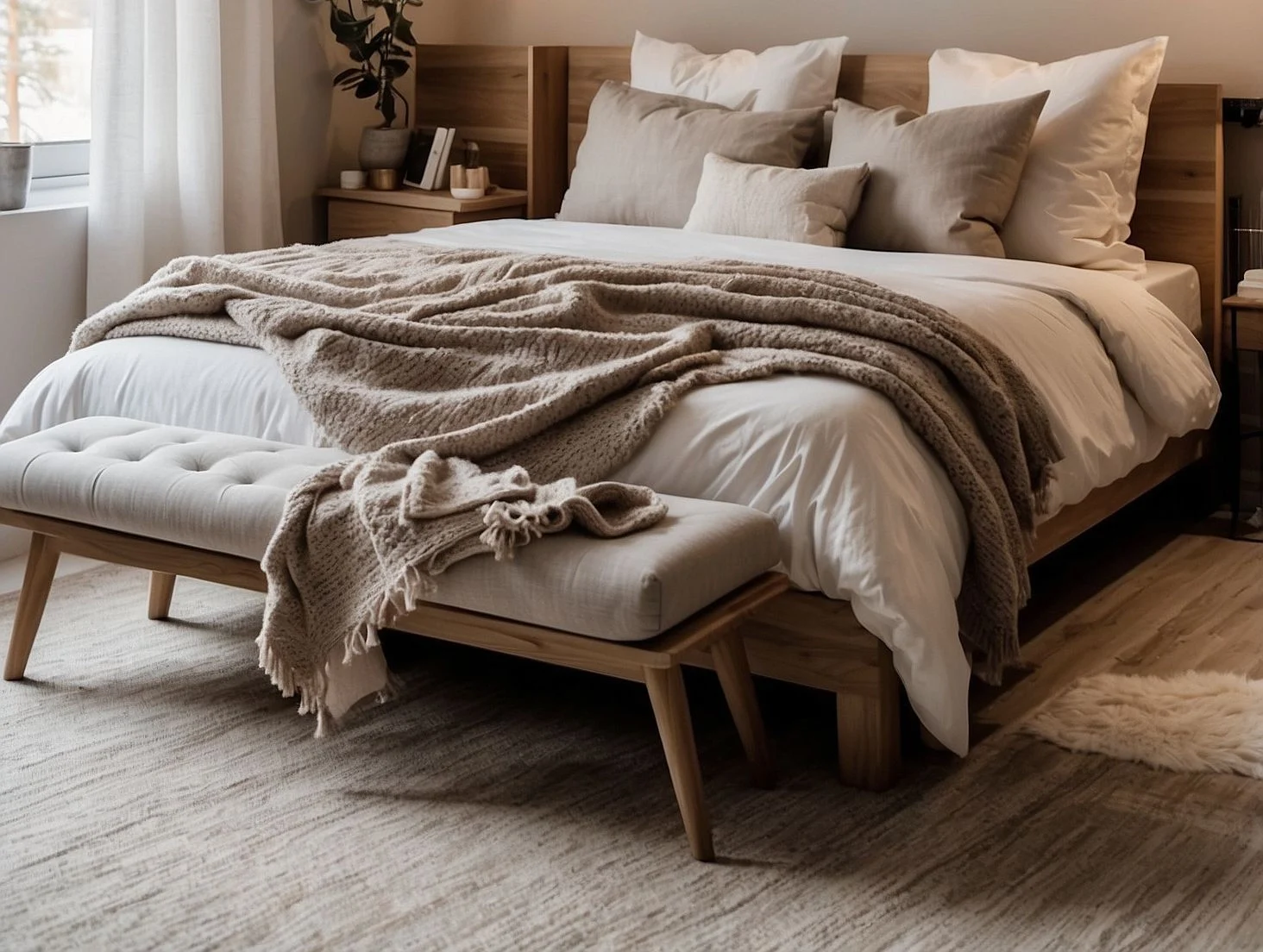
There’s a moment in almost every Billings home remodel where the homeowner looks at the bedroom floor plan, looks at the LVP they just put everywhere else in the house, and stops.
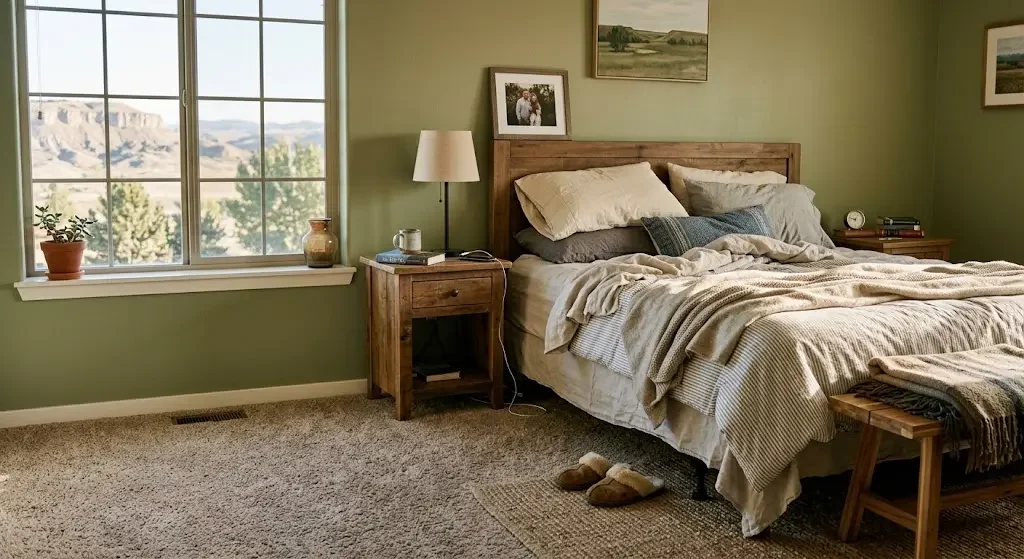
The bedroom feels different. It’s supposed to feel different. You step out of bed at 6 AM in January when it’s -5 outside and the furnace has been running for eight hours and you want your feet to land somewhere that doesn’t feel like stepping onto a slab of cold reality.
That’s the moment most Billings families choose carpet for the bedroom. Not because it’s cheaper. Not because it’s easier. Because it’s the right material for the way that room is actually used.
Finding the best carpet for bedrooms in a Billings home comes down to three specifications: fiber, cushion, and pile construction. Get those right and the floor performs for 15 or more years. Get them wrong and the bedroom is the one room in the house you end up replacing first.
Call the Carpet Barn team at (406) 656-2824 to schedule a free in-home consultation — bringing samples to your space is the fastest way to confirm that carpet is the right call for your specific bedroom before you commit.
Why Carpet Still Makes Sense in a Montana Bedroom
Hard-surface advocates will tell you carpet is outdated. They’re right that it’s a harder sell in kitchens, mudrooms, and basements. But bedrooms are a different category, and carpet holds specific advantages in a Billings bedroom that hard-surface alternatives simply don’t replicate.
Thermal comfort. Carpet has a measurable R-value — typically between R-0.5 and R-2.5 depending on pile height and fiber density, per industry data from the Carpet and Rug Institute (CRI). In a Billings bedroom during heating season, that insulation value means the floor feels warmer underfoot and the room retains heat slightly better than it would over a hard-surface floor. For a bedroom above an uninsulated crawl space — common in older Billings homes on the South Side and in the Heights — that thermal contribution is meaningful at -10 degrees.
Acoustic comfort. Carpet absorbs sound. In a two-story Billings home with kids, this is not a minor consideration. Footsteps that would carry clearly through LVP or hardwood to the room below are absorbed by carpet pile and cushion. For a master bedroom, this means less noise transfer from children’s rooms above. For a kids’ room, it means less noise transmitted downstairs.
Tactile comfort. There is no hard-surface floor that replicates the sensation of carpet underfoot in a bedroom. Rug pads and thick LVP planks narrow the gap, but they don’t close it. For bedrooms where elderly family members walk barefoot, toddlers spend floor time, or a dog sleeps on the floor rather than the bed, the softness and traction of carpet has practical safety and comfort value that aesthetics alone don’t capture.
Modern air quality reality. The old argument against bedroom carpet was allergen trapping. Modern residential carpet manufactured to CRI Green Label Plus certification specifically tests for 13 VOCs including formaldehyde, styrene, and 4-PC (the compound responsible for new carpet smell), certifying that emissions fall below established safety thresholds. Regular vacuuming is the key maintenance factor for indoor air quality in carpeted rooms — not the material itself.
Which Carpet Fiber Is Right for a Billings Bedroom?
The fiber determines feel, durability, and how the floor holds up in Montana’s climate. For a bedroom — where softness, warmth, and appearance retention matter more than flood resistance — the fiber conversation is different than it would be for a hallway or mudroom.
Nylon: The industry benchmark for bedroom carpet durability and resilience. Nylon recovers from compression better than other fibers, so traffic paths through the bedroom don’t develop the matted, flattened look that softer fibers develop over years of use. Solution-dyed nylon is the premium specification — color is locked into the fiber core during manufacturing rather than applied to the surface, so spills cannot penetrate the color layer the way they can with yarn-dyed fiber. For a master bedroom expecting 10-15 years of daily use, nylon is the right spec.
Polyester (PET): The softer, more vibrant alternative. Polyester produces the most vivid colors at the mid-market price tier and is inherently stain-resistant because the color is embedded in the fiber structure. The trade-off: polyester compresses faster than nylon under daily traffic. For a guest bedroom with occasional use, it’s an excellent choice. For a heavily used master bedroom, nylon holds up better over the long term.
Triexta (SmartStrand): A growing option worth comparing directly to nylon. Triexta — commercialized as SmartStrand by Mohawk — is made from approximately 37% renewable corn-derived PTT polymer, giving it lower fossil fuel content than standard polyester while offering better stain and wear resistance. For households with children or pets in the bedroom, triexta is a strong mid-tier option.
Wool: The premium natural option. Lanolin in the fiber reduces surface adhesion of particulate matter, and wool holds its texture and character over years of use in ways synthetics don’t fully match. In Montana’s dry heating season, wool carpet performs best when indoor RH is maintained between 35-50% — the target range for both occupant comfort and wool carpet stability. For a Billings bedroom where the household invests in humidity management, wool is worth the conversation.
The Cushion Question: Why the Pad Matters as Much as the Carpet
Many homeowners underspecify the cushion and put the entire budget into the carpet itself. In most cases, that’s the wrong trade-off.
A quality cushion extends carpet life by absorbing the flex stress that would otherwise transmit through the carpet backing with each step. A cushion under 7/16 inch transmits too much mechanical stress to the backing. A cushion over 1/2 inch allows too much flex, which also stresses the backing — and exceeding 1/2 inch can void some carpet warranties. The 7/16 to 1/2 inch range is where most residential carpet manufacturers land their installation specifications.
The cushion also contributes meaningfully to the underfoot feel that is the primary reason most Billings homeowners chose carpet for the bedroom in the first place. The plush sensation of a showroom carpet sample includes the pad beneath the display. The same carpet over a thin, hard cushion feels noticeably less comfortable. Density between 6-8 lb per cubic foot in the 7/16 to 1/2 inch range gives a bedroom floor the combination of support and softness that performs well over years of use.
The Carpet Barn carpet cushion guide for Billings homes covers this topic in more detail, including specific cushion recommendations for households with elderly residents or children who spend significant time on the floor.
“Astasia was our salesperson. This was our second order. Recarpeted our two home offices. Furniture was moved out and back by the installers. Process completed in about 7 hours.” — Michael P., Billings homeowner
Pile Height and Texture: What to Choose for a Billings Bedroom
Beyond fiber, pile construction determines the carpet’s visual character and how it wears.
Cut pile (Saxony/plush): Creates a uniform, soft surface that looks polished and feels luxurious underfoot. Saxony-style cut pile shows footprints and vacuum marks — which some homeowners love as a signal the carpet was just cleaned, and others find frustrating to maintain. For a formal master bedroom, Saxony creates a finished, high-end look.
Textured cut pile: A casual, varied surface that hides footprints and vacuum marks effectively. For a busy household where the bedroom gets daily use and casual upkeep, textured cut pile is the lower-maintenance choice and adds visual warmth that complements Montana bedroom interiors.
Loop pile (Berber): Durable and good at hiding soil, but firmer underfoot than cut pile and a poor choice for bedrooms where pets sleep on the floor — pet claws can snag loop pile and cause fiber pulls that are difficult to repair cleanly.
Cut-and-loop: Combines both for a sculptural patterned surface. Hides traffic wear effectively and adds visual dimension. Appropriate for bedrooms where pattern is a deliberate design element.
What to Bring to the Carpet Barn Showroom
For a bedroom carpet project in Billings, knowing a few things before your visit makes the selection process faster and the result more accurate.
Bring room dimensions (length x width, plus any closet areas), your subfloor type (wood frame, concrete slab, or over existing carpet), who uses the room (adults only, children, pets on the floor), and any existing furniture finishes or wall colors you’re working around.
“The bedroom carpet conversation almost always starts with who’s in the room and how the room actually gets used. That tells us more about the right fiber and pile than any design preference does.” — World Famous Carpet Barn team, Billings, MT
Browse the carpet collection at cbarn.com before your visit, or call (406) 656-2824 to schedule a free in-home consultation where the Carpet Barn team brings samples directly to your space — seeing the fiber and color in your room’s light is always more accurate than showroom lighting alone.
“Great service, got a lot of different carpets to choose from in our price range. Installation was excellent.” — Ray S., Billings homeowner
“We’ve been carpeting Billings bedrooms for over 50 years. The fiber and cushion combination we recommend always comes back to what the room actually needs — not what’s on trend. Those two things are usually different.” — World Famous Carpet Barn team, Billings, MT
Frequently Asked Questions
Is carpet a good choice for a Billings bedroom?
Yes. Carpet provides thermal comfort (R-0.5 to R-2.5 per CRI data), acoustic absorption, and tactile softness that hard-surface floors cannot replicate in a bedroom. Montana winters make carpet’s insulation and underfoot warmth especially meaningful — particularly in bedrooms above uninsulated crawl spaces common in older Billings homes.
What is the best carpet fiber for a master bedroom in Billings?
Nylon is the industry standard for durability and resilience in a heavily used master bedroom. It recovers from compression better than other fibers and holds its appearance in traffic paths over 10-15 years of daily use. Solution-dyed nylon is the premium specification — color is locked into the fiber core, making it more stain and fade resistant than yarn-dyed alternatives.
What carpet cushion should I use in a Billings bedroom?
A bonded urethane cushion with density between 6-8 lb per cubic foot and thickness of 7/16 to 1/2 inch is the standard recommendation for residential bedroom applications. A cushion under 7/16 inch transmits too much stress to the carpet backing; a cushion over 1/2 inch allows too much flex and can void some carpet warranties. The 7/16-1/2 inch range is where most carpet manufacturer warranties align.
Does bedroom carpet trap allergens?
Modern residential carpet manufactured to CRI Green Label Plus certification tests for 13 specific VOCs including formaldehyde, styrene, and 4-PC (the source of new carpet smell), certifying that emissions fall below established safety thresholds. Regular vacuuming is the key maintenance factor for indoor air quality in carpeted rooms — not the surface material itself.
What pile type is best for a Billings bedroom with pets?
Cut pile or textured cut pile is the right choice for bedrooms where pets sleep on the floor. Loop pile (Berber) can snag on pet claws, causing fiber pulls that are difficult to repair cleanly. A textured cut pile in a medium tone hides pet hair between vacuuming sessions and avoids the claw-snag risk of loop construction.
How long does bedroom carpet last in a Billings home?
A quality nylon carpet with appropriate cushion, installed in a bedroom with moderate foot traffic and regular vacuuming, typically lasts 10-20 years before replacement becomes necessary. The cushion specification is the most important variable in carpet longevity — a properly specified pad reduces the mechanical stress that causes backing delamination and extends the useful life of the carpet above it.